
Quick facts: Kedarnath Yatra from Rishikesh
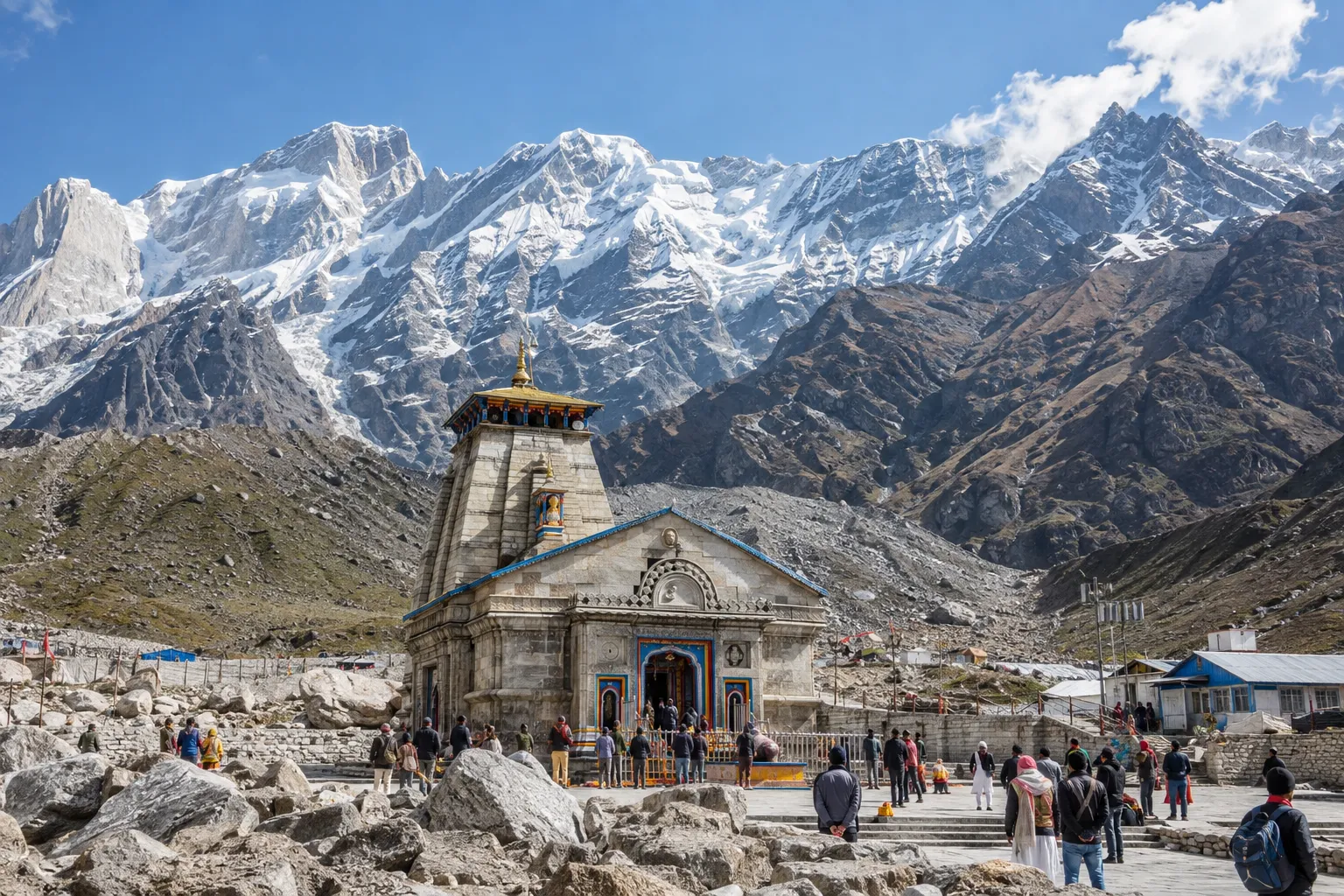
- Kedarnath is one of the twelve Jyotirlingas of Shiva, and the temple stands at about 3,583 metres beside the Mandakini.
- The temple is reached by a 16 km trek from Gaurikund, typically 6–8 hours one way; Gaurikund is about 5 km beyond the Sonprayag roadhead.
- The temple opens around Akshaya Tritiya (late April or early May) and closes around Bhai Dooj (late October or early November); the temple committee sets the exact dates each year.
- Char Dham Yatra registration is mandatory and free, online or at registration counters at the yatra starting points.
- A Rishikesh + Kedarnath trip takes about 4–5 days; Kedarnath with Badrinath, or the full Char Dham, about 9–12 days.
- Monsoon (July–September) brings landslide and road-block risk on the route, so keep buffer days.
Checked: Oct 2026
Why Kedarnath matters?
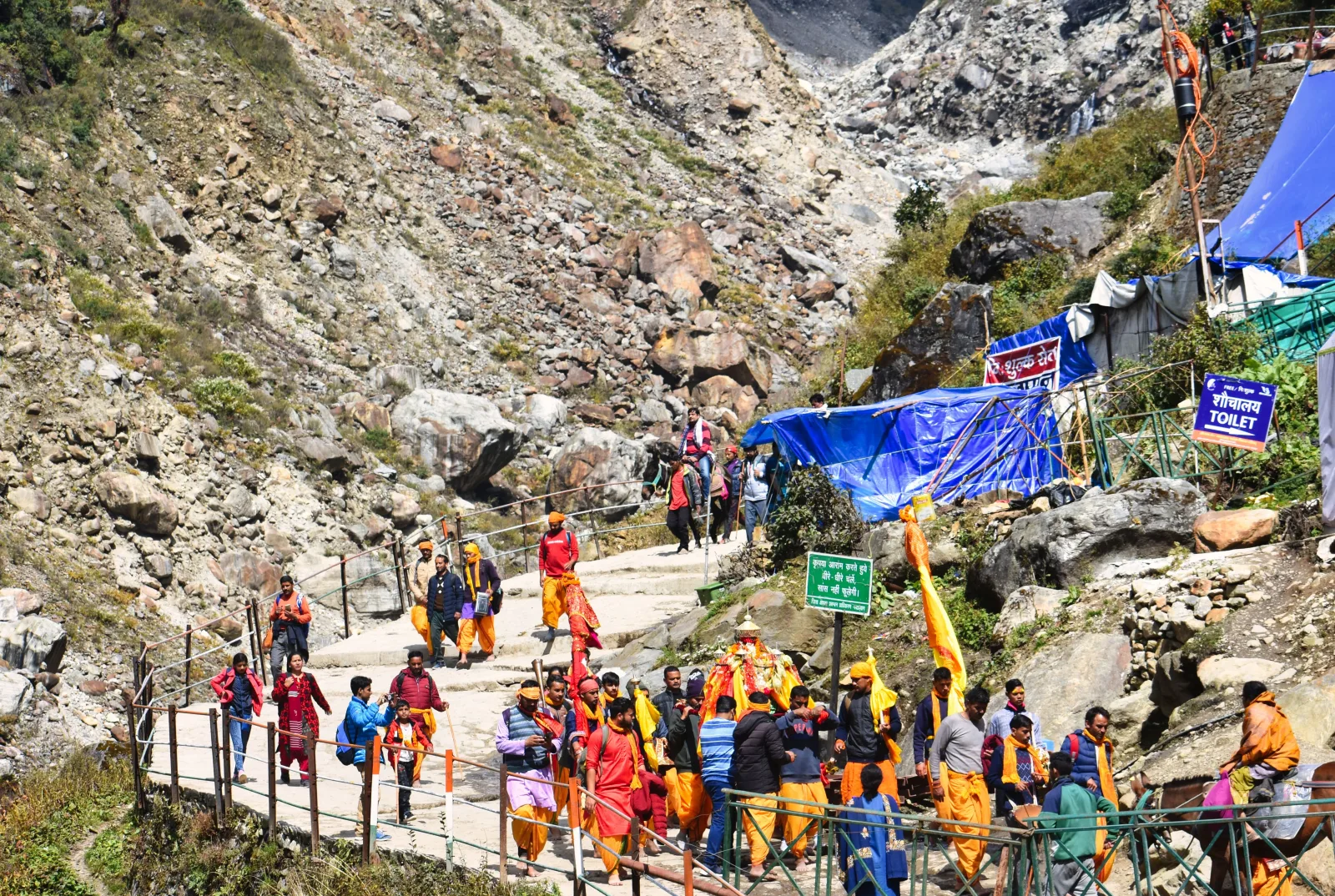
Kedarnath is one of the twelve Jyotirlingas of Shiva and one of the most significant Himalayan pilgrimage destinations. The temple stands at about 3,583 metres beside the Mandakini, and the journey combines devotion, high-altitude landscape, and a demanding mountain approach. That mix is why the yatra needs both spiritual preparation and careful travel planning.
Rishikesh to Kedarnath: route and distance
The road from Rishikesh to Kedarnath's roadhead runs through Devprayag, Srinagar (Garhwal), Rudraprayag, and Guptakashi to Sonprayag — roughly 120-125 km, commonly a 5-6 hour drive depending on traffic and road conditions. From Sonprayag, it's about 5 km (often shuttle-only) to Gaurikund, the actual trailhead. The temple itself is reached by a 16 km trek from Gaurikund, typically taking 6-8 hours one way for an average walker, longer with rest breaks and altitude. Pony, mule, and palki (palanquin) services operate along this trail, and helicopter services fly from nearby heliports (Phata, Guptakashi, Sersi) for those who prefer not to trek — services and fares change year to year, so confirm current options before you travel. Book helicopter tickets only on IRCTC's official Heli Yatra site; you need your yatra registration first.
Yatra registration
Yes, you must register: Char Dham Yatra registration is mandatory and free for all pilgrims, done online through Uttarakhand Tourism's official Char Dham registration portal or at biometric registration counters at yatra starting points. The exact process is reviewed and can change each season, so verify the current requirement before you leave — this is not something we can guarantee stays the same year to year. Checked: Oct 2026
Best time to visit
Go in May–June or September–October, inside the temple's open season. Kedarnath temple opens for the season around Akshaya Tritiya (typically late April or early May) and closes around Bhai Dooj (typically late October or early November), when the deity is moved to Ukhimath for winter. Exact dates are set annually by the Shri Badarinath Kedarnath Temple Committee based on the Hindu calendar, so they shift slightly every year. Those two windows are generally considered the most comfortable, avoiding the heaviest monsoon rain and the coldest late-season weather. Checked: Oct 2026
Other Garhwal destinations from Rishikesh
Badrinath, Gangotri, Yamunotri, Auli and the Valley of Flowers are all road trips from Rishikesh, most of them a long day's drive.
Badrinath
About 295-300 km, roughly a 9-10 hour drive via Devprayag, Srinagar, Rudraprayag, Karnaprayag, and Joshimath.
Gangotri
About 250-260 km via Tehri and Uttarkashi — the source of the Bhagirathi, one of the Ganga's headstreams.
Yamunotri
About 215-225 km to the Janki Chatti/Hanuman Chatti roadhead via Barkot and Uttarkashi, then a further 5-6 km trek to the temple.
Auli
About 275-285 km via Joshimath. Known for Himalayan views and winter skiing, with a cable car up from Joshimath.
Valley of Flowers
Reached via Govindghat/Ghangaria near Joshimath, then a 13-17 km trek. Open only roughly June to September — check the season before planning around it.
All distances above are commonly cited road-trip figures and can vary with the exact route taken — confirm current figures and road status before finalising your plan, especially in monsoon.
Sample itinerary: Rishikesh + Kedarnath (4-5 days)
- Day 1 — Rishikesh to Guptakashi or Sonprayag by road.
- Day 2 — Sonprayag/Gaurikund to Kedarnath on foot (or pony/palki/helicopter); darshan and overnight near the temple.
- Day 3 — Trek back down to Gaurikund/Sonprayag.
- Day 4-5 — Return drive to Rishikesh, with a buffer day if the weather or road needs it.
A combined Kedarnath-Badrinath ("Do Dham") trip, or the full four-shrine Char Dham circuit, is commonly planned over 9-12 days including travel days and weather buffers — treat this as a general planning range rather than a fixed schedule.
Practical tips
Plan for weather, altitude and a rest day in Rishikesh at both ends.
- Monsoon (July-September) brings landslide and road-block risk on the Rishikesh-Rudraprayag-Kedarnath corridor. Build flexibility into your dates, and check current road advisories (for example from Uttarakhand Police) before departing.
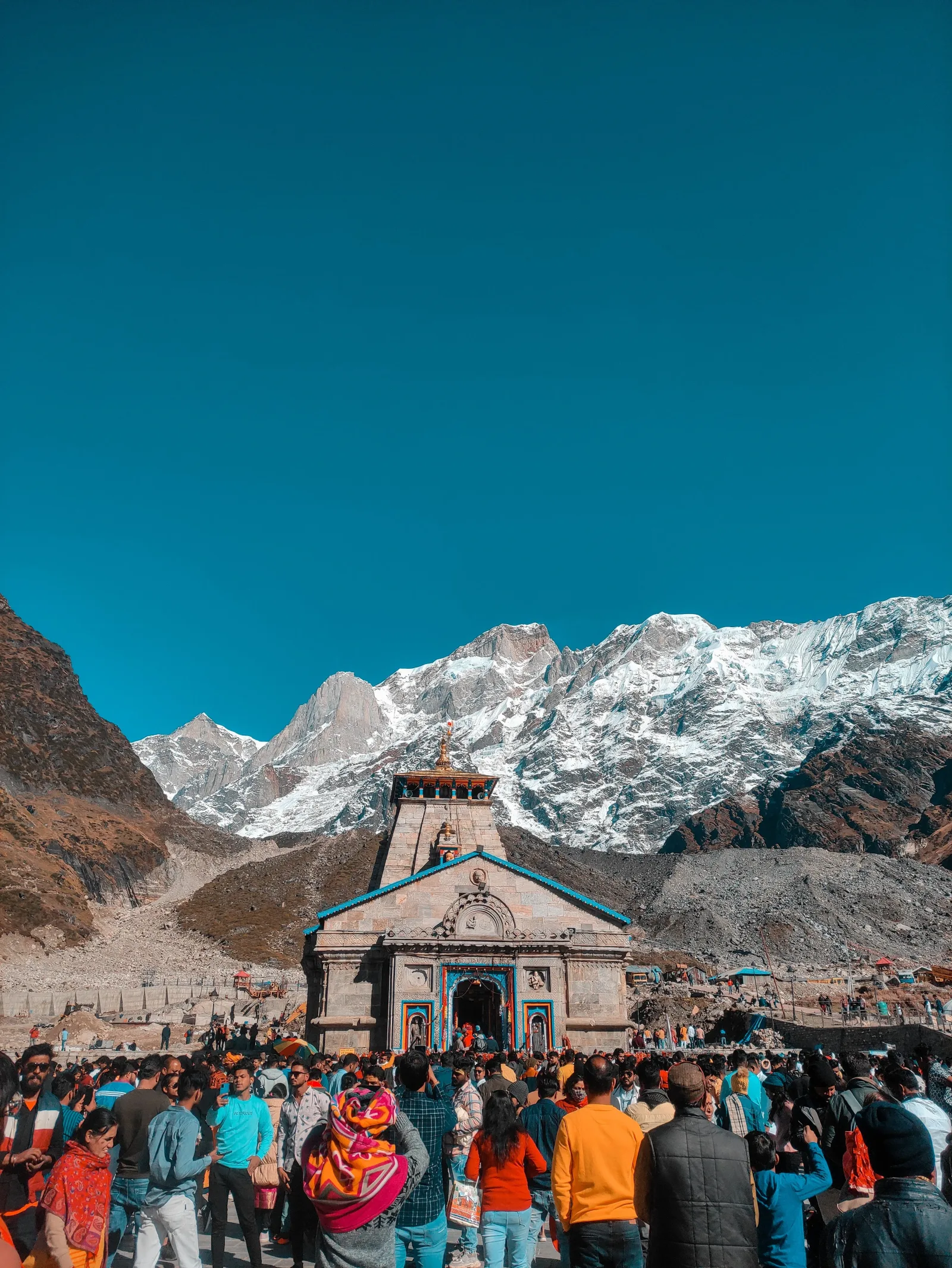
- Kedarnath sits at about 3,583 m. Even in May-June, nights are near freezing — carry warm layers, rain protection, and know the basic signs of altitude sickness.
- From Rishikesh, shared taxis/jeeps to Sonprayag or Guptakashi are the common budget option for solo travellers; private cab hire and Uttarakhand Roadways buses also run this route.
- Rest in Rishikesh before and after the yatra — many travellers use a homestay here as a comfortable base to acclimatise, pack, and recover.